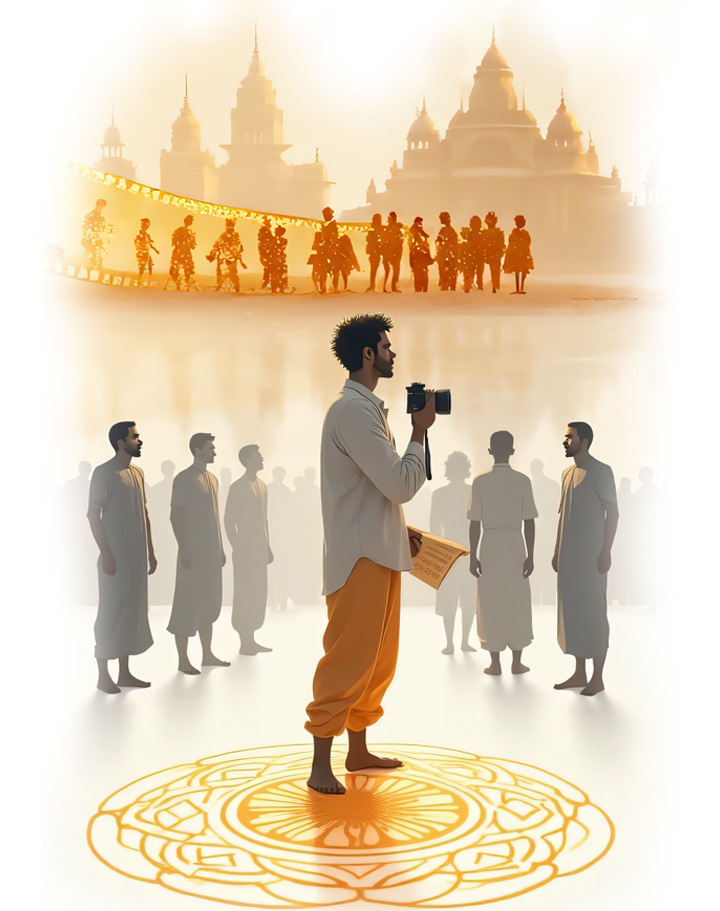
Cinema is Dharma
Film as duty — to truth, to culture, to the audience.
Dadasaheb Phalke (1870–1944), the Father of Indian Cinema, saw film as a way to preserve and celebrate Sanatan Sanskriti.
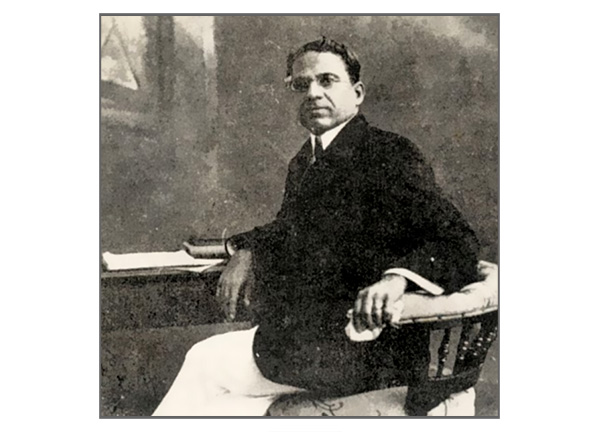
In 1913 Phalke made Raja Harishchandra, the first full-length Indian feature film — a Puranic story of truth, sacrifice and dharma. His later films adapted Hindu epics and Sanatan wisdom, bringing sacred stories to the screen.
Phalke’s work was a cultural mission, not mere entertainment. He used cinema to pass on traditions, morals and dharmic values — and by bringing mythology and symbolism to life, founded an Indian cinema that unites art, culture and eternal truth.
Film as duty — to truth, to culture, to the audience.
Every story offered in service, not merely for sale.
Work made to outlast its release.
Dharma protects those who protect it.
Manusmṛti 8.15